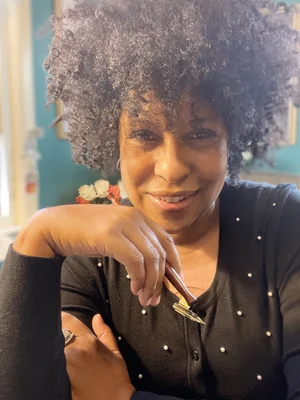

Put Pen to Paper, Change Your Day: A Daily Journaling & Handwriting Habit That Changes Your Day
The Science of a 5-Minute Handwriting Habit
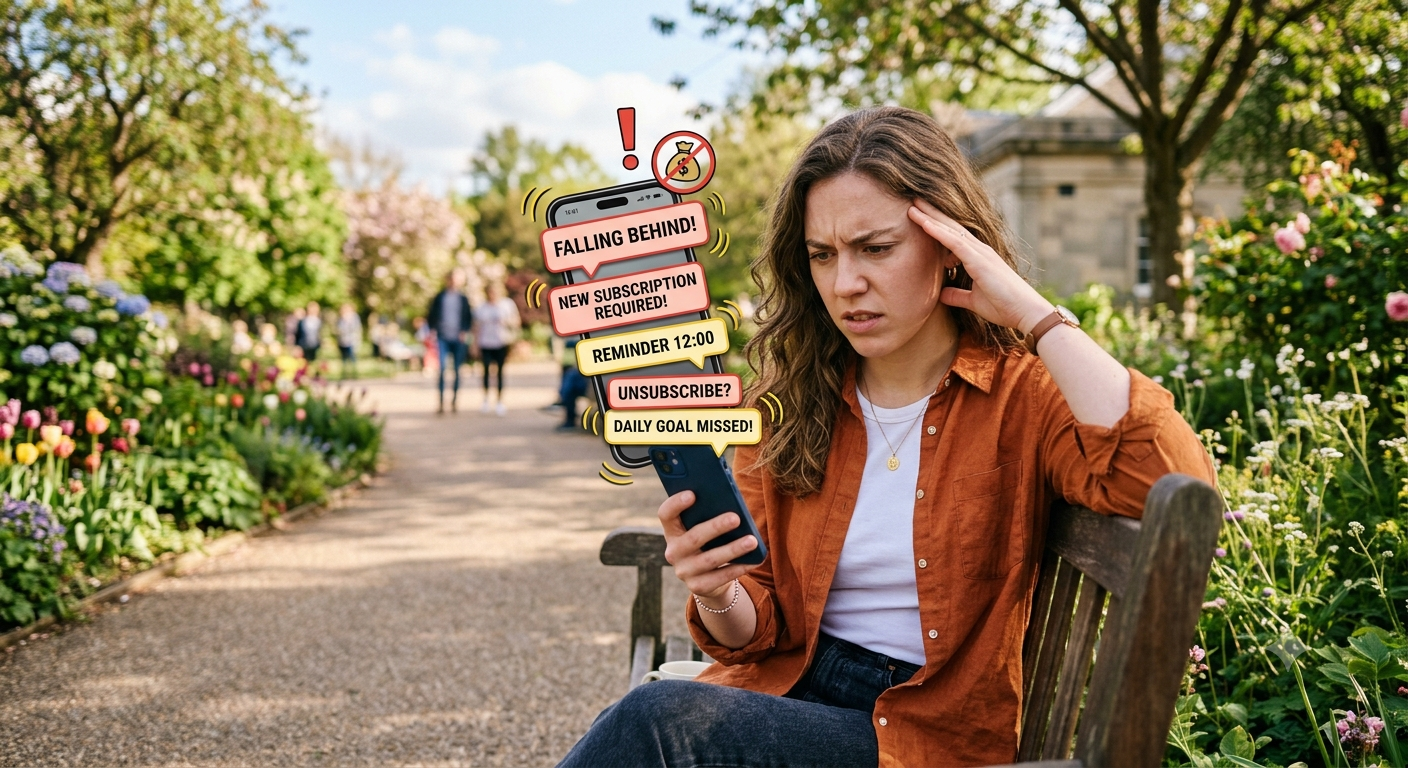
Woman frustrated looking at phone screen.
There's a version of self-improvement that involves apps, subscriptions, and a notification buzzing at you every hour to remind you that you're falling behind. This isn't that.
This one just needs a notebook, a pen, and about five minutes.
Your Brain on Handwriting
Here's what's actually happening when you write by hand versus when you type: your brain fires up its motor, visual, and language circuits all at the same time. Typing, by comparison, skips most of that work — your fingers already know where the letters are, so there's a lot less for your brain to actually do. Handwriting, on the other hand, asks your brain to form each letter, see the shape you're making, and translate thought into language, simultaneously. It's a full-body cognitive workout dressed up as a quiet morning ritual.
That's part of why researchers keep circling back to handwriting when they study memory, focus, and learning. It's not nostalgia talking — it's neuroscience.
The Doctor-Visit Study That Started It All
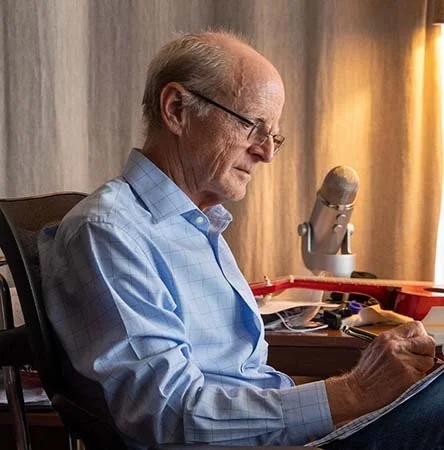
James Pennebaker, Social Psychologist
In the 1980s, psychologist James Pennebaker ran an experiment that's been replicated for decades. He had college students write about their most difficult, emotionally loaded experiences for just 15 to 20 minutes a day, four days in a row. Nothing fancy. Solely freewriting. No prompts, no rules about grammar. Just pen, paper, and honesty.
Months later, the students who wrote about their real feelings had visited the doctor at about half the rate of students who hadn't. Half.
That's not a wellness-influencer number. That’s not an AI hallucination. That's a documented, replicated finding in the psychological research literature. Something about getting the hard stuff out of your head and onto a page appears to genuinely lighten the physical load your body carries.
The Protocol (Yes, It's Really This Simple)
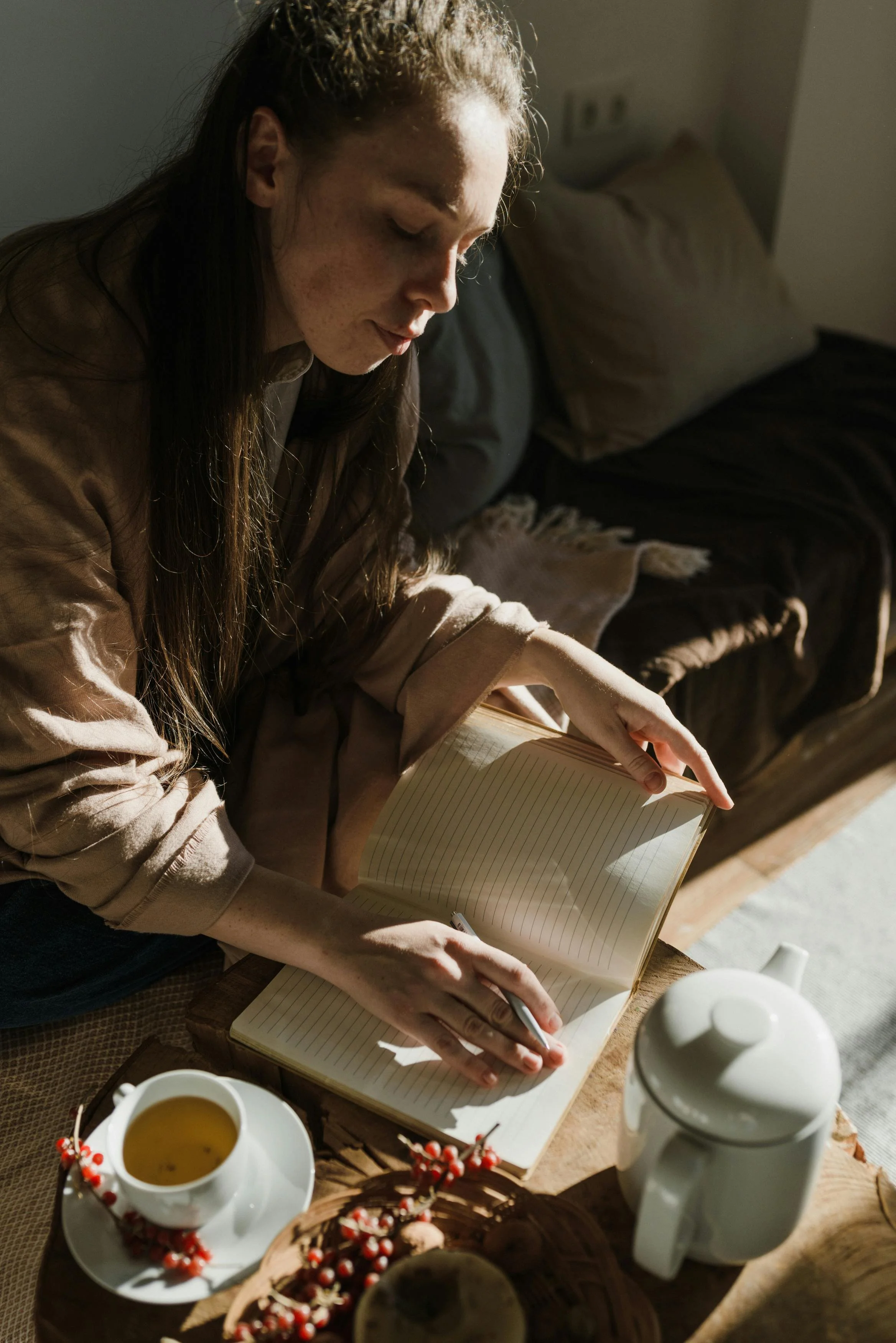
Woman with tea and journal with morning sunlight.
Any notebook. Any pen.
5 to 10 minutes, either right after you wake up or right before you go to sleep.
Write without editing. No crossing out. No "that's not the right word." Just let it flow.
Phone stays in another room.
That's the whole thing. No perfect penmanship required, no rules about what you write. Just five honest minutes with yourself.
Why I'm Doing This Every Day (And Going Live to Do It)
I've spent years teaching calligraphy — the art of beautiful, deliberate letterforms. But somewhere along the way, I started noticing that the act of putting pen to paper mattered just as much as how it looked. Messy, unedited, first-thing-in-the-morning handwriting turned out to be doing something for my brain and my nervous system that no amount of polished penmanship ever did.
So I'm bringing the practice back into the daily rhythm — journaling for 15-20 minutes, live, starting tomorrow. Not to perform it. Just to actually do it, in real time, the way research suggests it works best: unedited, unfiltered, and away from a screen (well, except for the one you're watching me on).
If you've been looking for a low-effort way to start your own handwriting practice — whether that's morning pages, evening reflection, or just five minutes of getting your thoughts out of your head — I'd love for you to write alongside me.
Grab a notebook. Grab a pen. Let's see what five minutes can do.
Ink & Morning Light
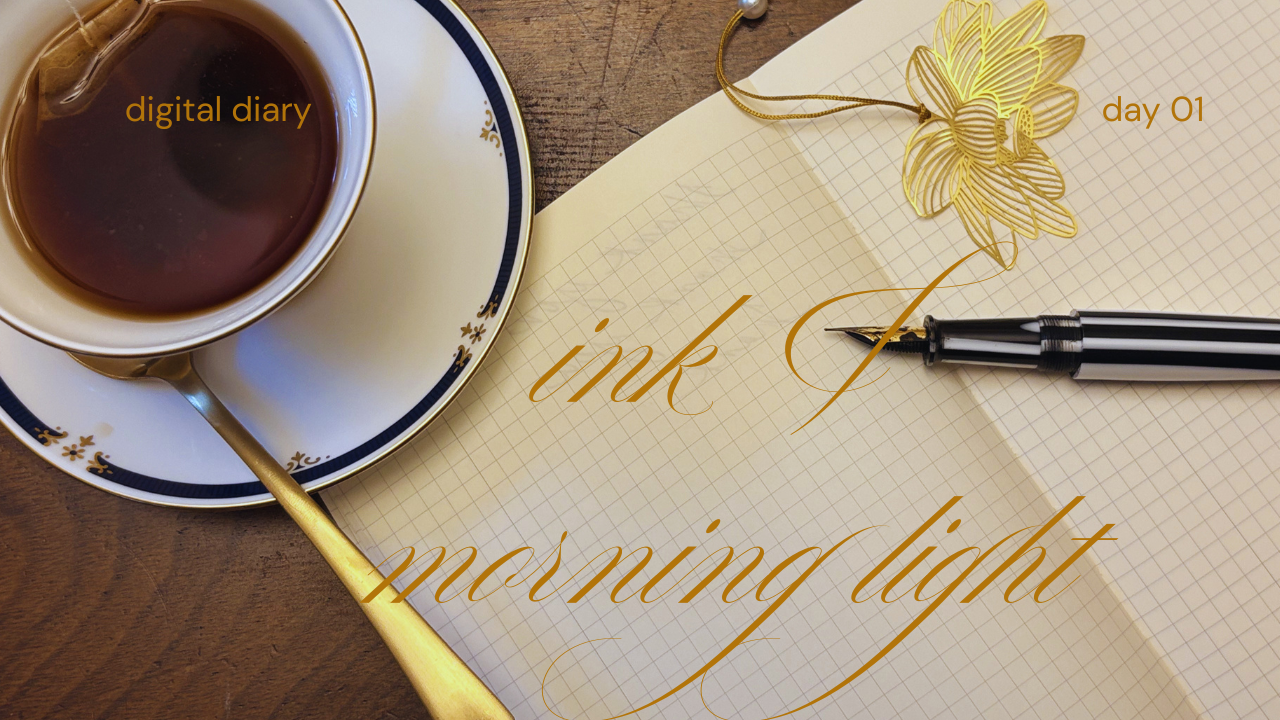
Ink & Morning Light YouTube channel thumbnail image with journal, fountain pen, tea & lotus flower bookmark.
Join me for my new series on the Mod Girl with Vintage Love YouTube channel; Ink & Morning Light. Where I invite you into my daily journaling practice at 7am. If you would like to know the details of my process, please check out my blog post entitled “What’s more timeless than journaling?” I can’t wait to see your there!